
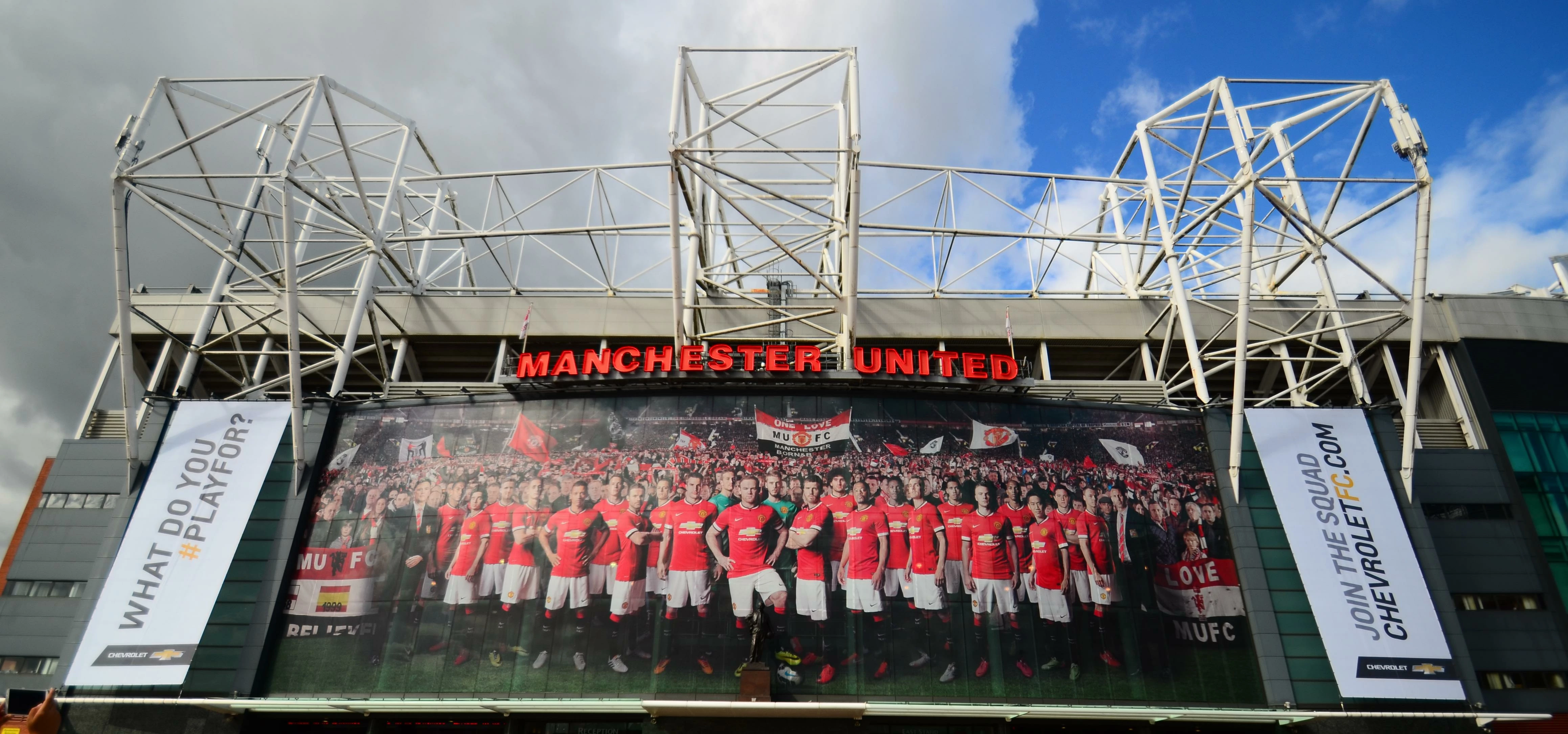
Manchester United’s quarterly revenues near £160m as profits take a hit
Manchester United, the biggest cash-generating club in the world, achieved 18% revenue growth in Q2 2017.
During the three months to December 31, the club pulled in a total revenue of £157.9m in comparison to £133.8m for the same period in 2015.
United’s broadcasting revenue saw the biggest year-on-year climb, rising 40.8% to £52.5m, while matchday and commercial revenues saw growth of 27% and 1.1% respectively.
Conversely, profits were down slightly against Q2 2016, falling from £18.6m to £17.5m.
The quarter was busy on the sponsorship front, with MUFC signing new global deals with digital music platform Deezer and mattress company Mlily.
Quarterly sponsorship revenues hit £38.7m, a year-on-year increase of £1.3m.
United’s executive vice chairman, Ed Woodward, said: “We are pleased to be competing for the first available trophy of the season when we travel to Wembley to face Southampton in the EFL Cup final this month.
“The robustness of our business model continues to be reflected in our strong quarterly financial results and we remain on track to deliver record revenues for the year.”
He added: “Finally, I’d like to congratulate Wayne Rooney on becoming Manchester United’s all-time record goal scorer – achieving the remarkable feat of scoring 250 goals over the last 13 seasons, surpassing Sir Bobby Charlton’s record which has stood for 44 years.”
Want your business, product or service to be seen regionally and nationally? Bdaily helps you get your story in front of the right audience, every day. Find out how Bdaily can help →
Join more than 55,000 subscribers by signing up to our daily bulletin each morning here.
Our Partners




 Are you flying too close to business burnout?
 Making education a lot better for a lot more
 Have we made it harder for young people to succeed?
 Celebrating Nissan's North East success story
 Are you a meat proxy?
 Engaging the five-generation workplace
 Talent is an asset, not an operational resource
 Taking advantage of the opportunities ahead
 Accountability isn’t the enemy of empathy
 Act now to avoid a last-minute tax scramble
 How inner-city living can transform a city by the sea
 Artificial intelligence's value is the time it gives back