
Partner Article
Fujian Tea - British Re-acquaintance with Chinese Tea
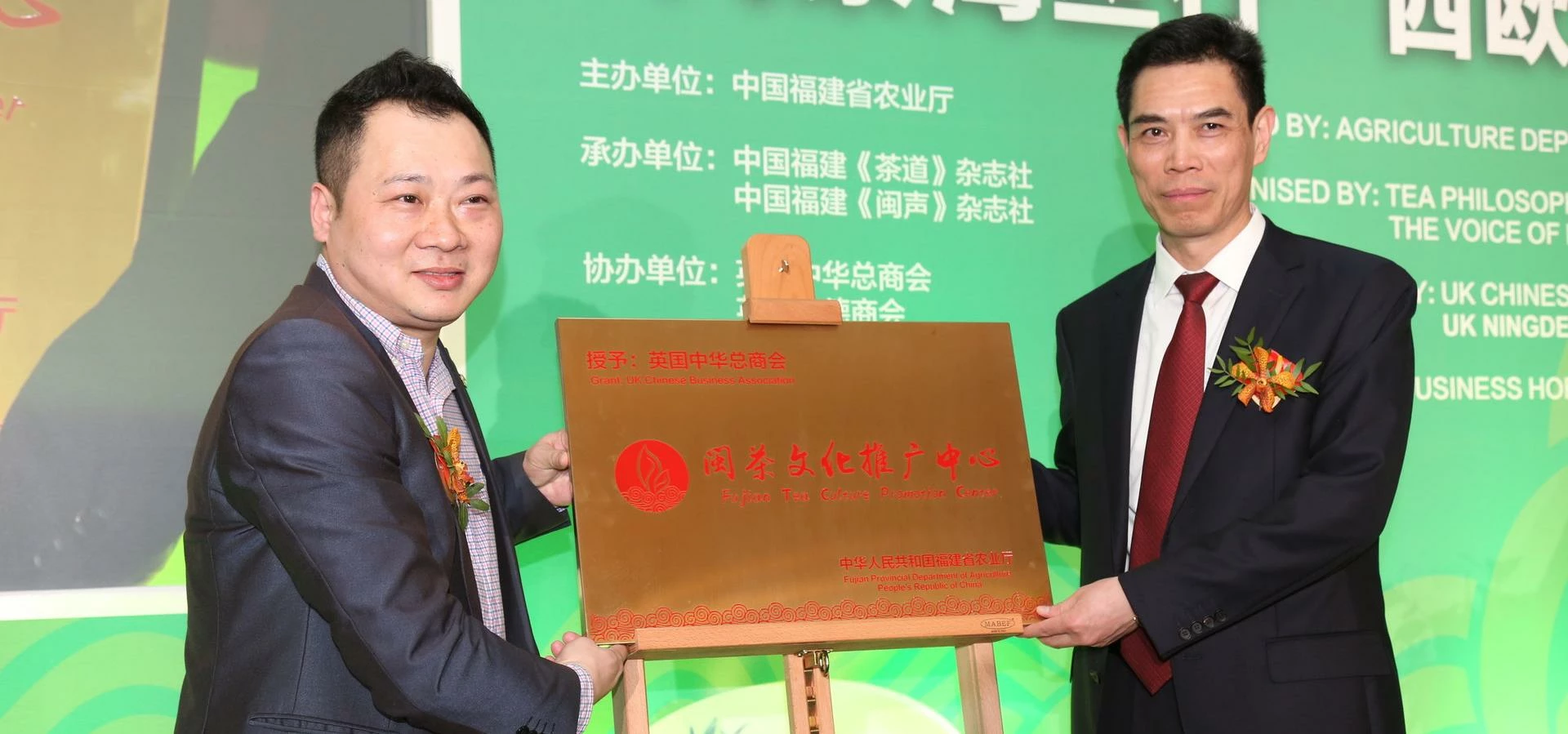
Last month, Fujian Tea Maritime Silk Road Promotion began its West European events in London to promote Fujian Tea.
The tour in West Europe aims at using tea as a medium to seek business opportunities, and promote economic and trade exchanges of tea between Fujian and Europe. During this time, multiple tea trade cooperation framework agreements with a total amount of 486 million RMB Yuan have been signed.
Through tea display and sales, regular or irregular tea exchange activities, tea culture training, and other measures, the center will expand the market of Fujian tea, promote Fujian tea culture, help the time-honoured Fujian tea walk out of China and onto the world stage.
During the event, Jennifer Wood, the co-founder of UK Tea Academy, said: “I believe the ethical credentials of a tea company is crucial to longterm success. Smaller companies who buy direct have an advantage here. They can build up trust with their customers who know they are committed to a fresh, high grade product and establish long term, mutually beneficial relationships with the farmers, the primary producers.”
Afternoon tea, one of the most representative social, cultural practices in the UK, originates from 1662. Starting more than 300 years ago, Catherine Braganza, a Portuguese princess, brought the habit of drinking tea to the British royal family, which made tea popular in the upper class of Britain. With the popularization of tea in the UK, the consumption of tea increased considerably.
Per an Authentic Account of an Embassy from the King of Great Britain to the Emperor of China, “within no more than 100 years, sales of tea in the Great Britain increased by 400 times. Regardless of gender, age or class, every British citizen in Britain, Europe and America on average consumed over one pound of tea in a year.
This was posted in Bdaily's Members' News section by Natalie Garland .
Our Partners




 Resilience, connection and maximising opportunity
 In pursuit of healthy obsession
 Why the Budget must restore productivity
 What does collaboration really mean in business?
 Why NE6 is the real Northern Powerhouse
 Can you really judge someone by their CV?
 Are you flying too close to business burnout?
 Making education a lot better for a lot more
 Have we made it harder for young people to succeed?
 Celebrating Nissan's North East success story
 Are you a meat proxy?
 Engaging the five-generation workplace