
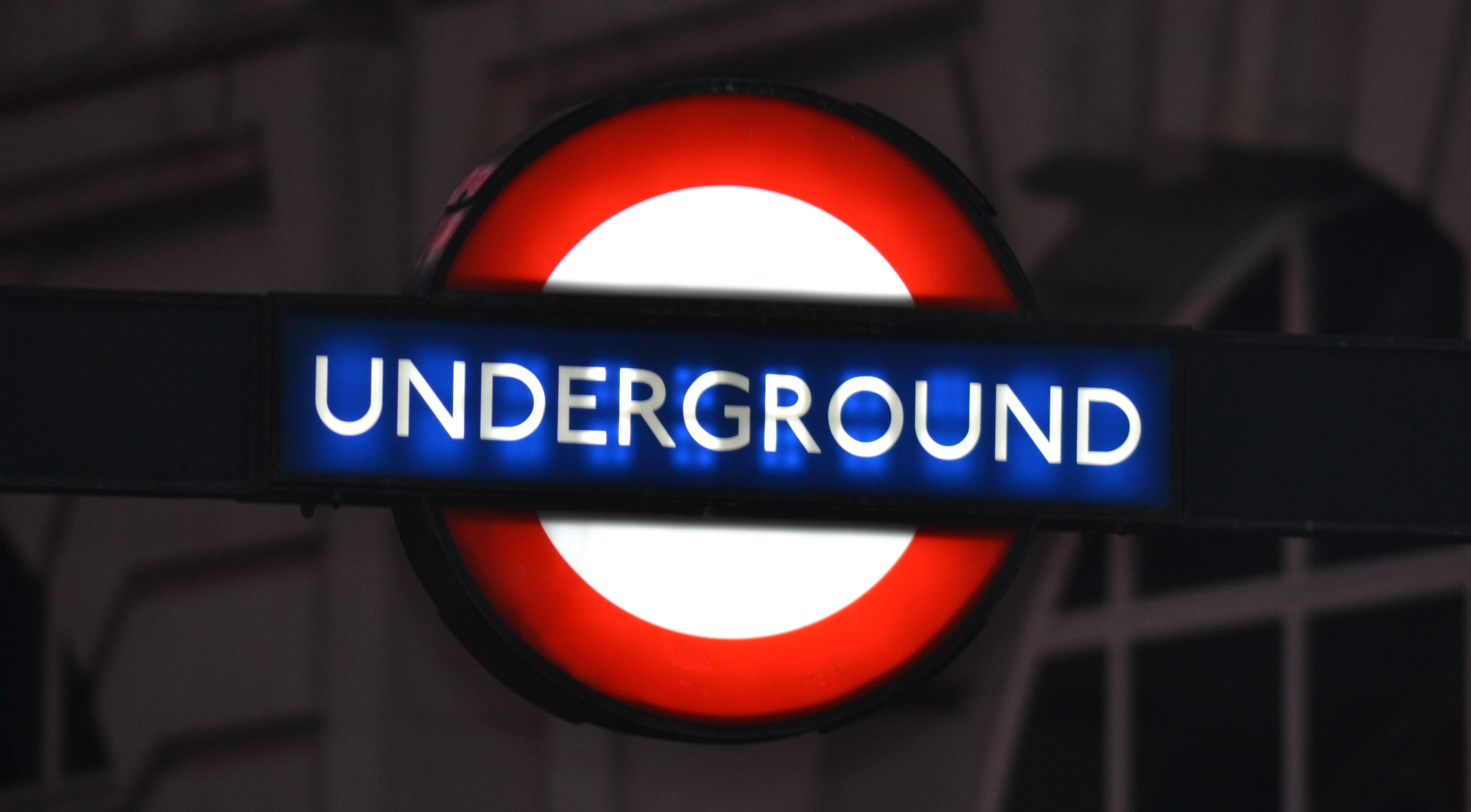
Transport for London to cut 1,400 jobs due to spending cuts, RMT union claims
Spending cuts are going to result in around 1,400 job cuts at Transport for London, according to the the Rail, Maritime and Transport union.
The jobs that are going to be at risk are said to be in engineering and on parts of London Underground.
This announced emerged during a meeting on Tuesday (Nov 7th) between TfL and union leaders and TfL on Tuesday.
The RMT union has claimed that spending will be cut by £5.5bn by 2021.
RMT general secretary Mick Cash said: “All the Tube and TfL unions have been sent written details of the next phase in the wrongly named transformation process.
“As part of the Mayor’s efforts to slash spending by £5.5bn by 2021 we are now being told that the company plan to cut up to 1,400 jobs in engineering in TfL and in some areas of LU.
“RMT demands that no cuts take place, so close to the King’s Cross fire anniversary. It would be appalling if there was any hacking back on safety.
“The Mayor needs to stand up for TfL and demand restoration of the full capital grant and proper central government funding for the Tube.”
Want your business, product or service to be seen regionally and nationally? Bdaily helps you get your story in front of the right audience, every day. Find out how Bdaily can help →
Join more than 55,000 subscribers by signing up to our daily bulletin each morning here.
Enjoy the read? Get Bdaily delivered.
Sign up to receive our popular morning London email for free.
Our Partners




 Are you flying too close to business burnout?
 Making education a lot better for a lot more
 Have we made it harder for young people to succeed?
 Celebrating Nissan's North East success story
 Are you a meat proxy?
 Engaging the five-generation workplace
 Talent is an asset, not an operational resource
 Taking advantage of the opportunities ahead
 Accountability isn’t the enemy of empathy
 Act now to avoid a last-minute tax scramble
 How inner-city living can transform a city by the sea
 Artificial intelligence's value is the time it gives back