
Unilever to create ‘more agile’ business by moving HQ from London to Europe
British-Dutch consumer goods giant Unilever is moving its headquarters out of the UK.
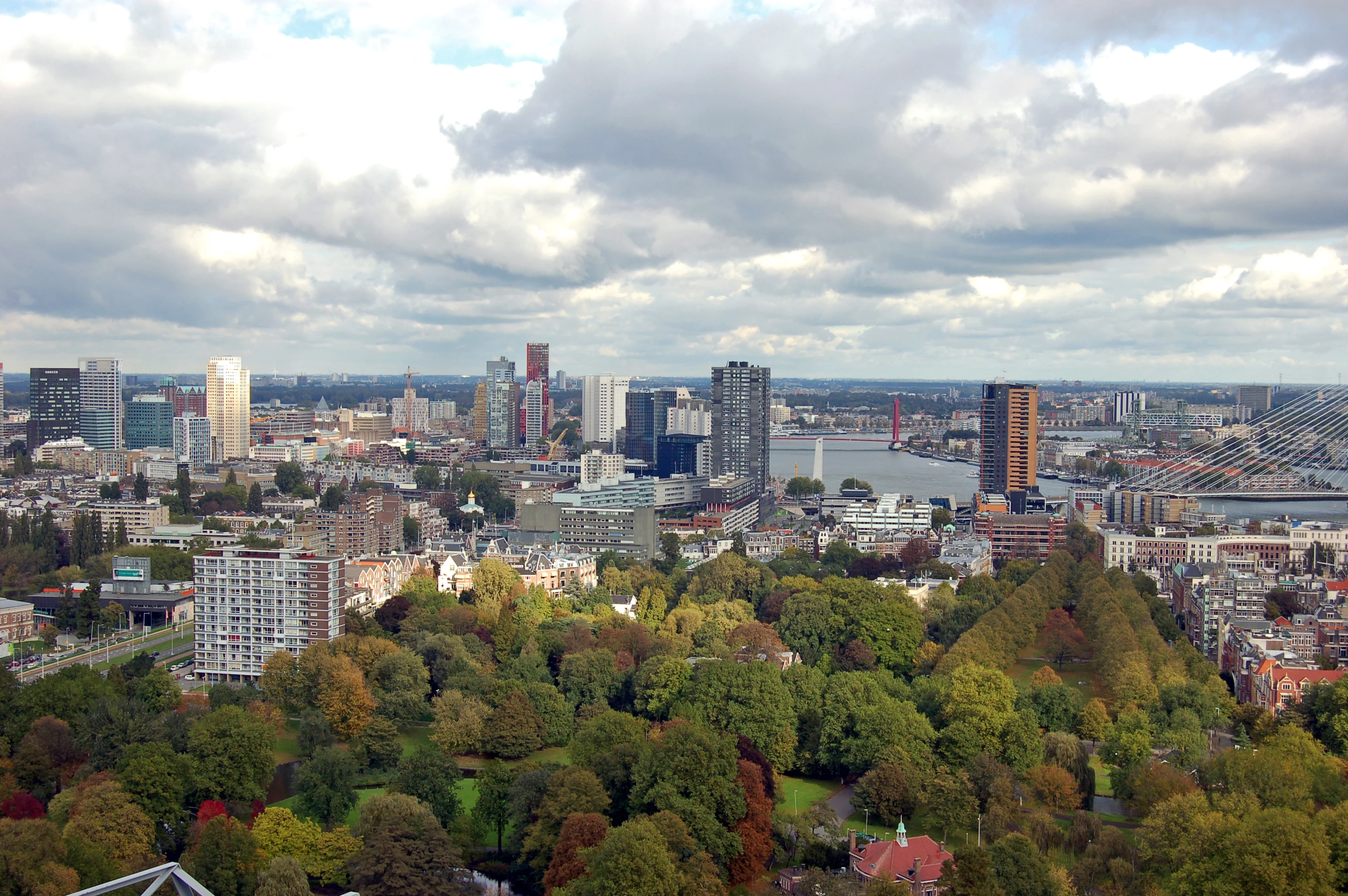
The company confirmed this morning (March 15) that Rotterdam will be the new location of its HQ.
Unilever, the business behind consumer brands such as Hellmann’s, Persil, Marmite and Ben & Jerry’s, announced the relocation as part of a shake-up of its structure.
The firm’s dual British and Dutch holding companies will become a single legal entity incorporated in the Netherlands.
Unilever currently employs around 7,300 staff in the UK, but no job losses are expected to result from the changes.
Brexit was dismissed as a factor for the move. London will continue to play a role in the company’s future as the HQ location of its Beauty and Personal Care division, which is one of three being created under the restructuring.
In a statement, chairman Marijn Dekkers said: “Unilever’s board is fully committed to delivering long-term performance and sustainable value for shareholders.
“The board believes the move to three divisions and the simplification of our corporate structure will create a simpler, more agile and more focused company with increased strategic flexibility for value-creating portfolio change.”
He continued: “Our decision to headquarter the divisions in the UK and the Netherlands underscores our long-term commitment to both countries.
“The changes announced today also further strengthen Unilever’s corporate governance, creating for the first time in our history a ‘one share, one vote’ principle for all our shareholders.”
Want your business, product or service to be seen regionally and nationally? Bdaily helps you get your story in front of the right audience, every day. Find out how Bdaily can help →
Join more than 55,000 subscribers by signing up to our daily bulletin each morning here.
Our Partners







 Are you a meat proxy?
 Engaging the five-generation workplace
 Talent is an asset, not an operational resource
 Taking advantage of the opportunities ahead
 Accountability isn’t the enemy of empathy
 Act now to avoid a last-minute tax scramble
 How inner-city living can transform a city by the sea
 Artificial intelligence's value is the time it gives back
 Why we must break the magnetic pull of London
 AI scepticism is healthy - inaction isn't
 What does NPPF mean for planning gain and pricing?
 What new NPPF rules mean for landowners