
Partner Article
Materials Processing Institute launches venture arm to commercialise innovation
The Materials Processing Institute has launched a new venture arm to generate additional investment to expand its research across the foundation industries.
By commercialising the Institutes innovative activities, the not-for-profit organisation hopes to accelerate the adoption of the technologies and processes necessary to transition to a sustainable low carbon economy.
The Teesside-based Institute, acknowledged as the UK’s centre for research and innovation in the steel and metals sector, is currently assessing which of its projects may be suitable.
Potential areas for commercialisation include the reduction of iron oxides using hydrogen, recovery of critical materials, including lithium, from used batteries, reducing nitrogen levels in steelmaking, and advances in powder metallurgy.
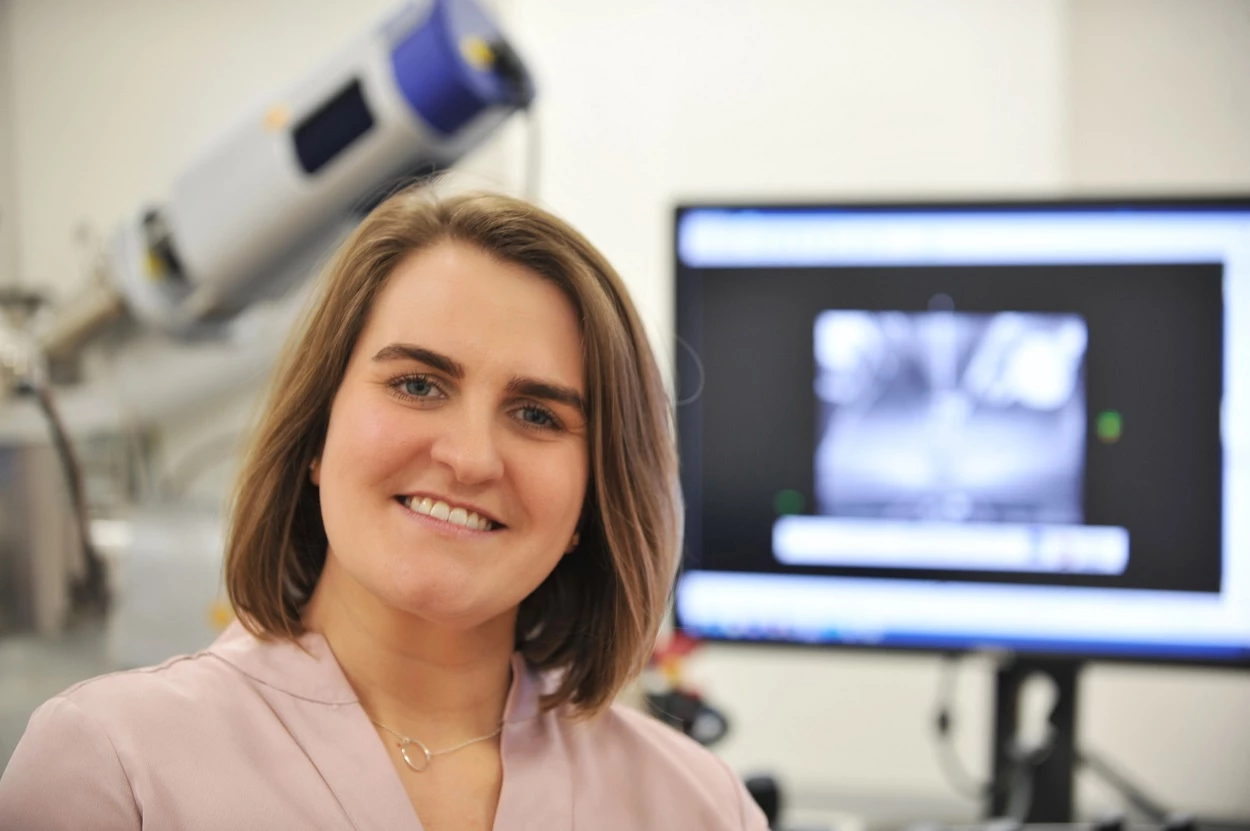
The initiative is headed by Dr Lucy Smith who has been appointed Ventures Lead and is supported by an expert committee made up of the Institute’s Chairman Jon Bolton, Chief Financial Officer Jonathan Neal, and Non-Executive Director David Pummell, who has extensive experience in commercialising renewable and cleantech ventures in Europe and USA.
Dr Smith joined the Materials Processing Institute in 2020 as Principal Researcher, later becoming Technical Collaboration Lead. In 2022 she was appointed Group Manager, Circular Economy, where she led the team in the development of innovations to maximise resource efficiency.
She has been tasked with identifying and commercialising valuable assets capable of attracting the necessary investment to bring them to market via a viable independent concern or through sale to a third party.
The Institute undertakes research on behalf of a range of industrial partners and leads PRISM, a programme of research for the UK’s steel and metals sector that supports innovation in decarbonisation, digital technologies, and the circular economy.
These projects are fully, or part funded by Innovate UK, with the Institute retaining the intellectual property on its work.
Chris McDonald, Chief Executive of the Institute, said: “Through the process of commercialisation, the Institute has an opportunity to transform its research and innovation into something highly marketable that speeds up its adoption and ensures it has much greater impact in industry and the wider economy.
“Our new ventures initiative will create new jobs and opportunities in Teesside and nationally.”
Dr Lucy Smith added: “Commercialisation of the Institutes IP will raise the profile of the Institute, its achievements and knowledge, while establishing exciting new opportunities, relationships, and partnerships. This will benefit industry and consumers alike whilst supporting the transition to a low carbon economy.”
This was posted in Bdaily's Members' News section by News Gathering .
Enjoy the read? Get Bdaily delivered.
Sign up to receive our popular morning National email for free.
Our Partners







 Taking advantage of the opportunities ahead
 Accountability isn’t the enemy of empathy
 Act now to avoid a last-minute tax scramble
 How inner-city living can transform a city by the sea
 Artificial intelligence's value is the time it gives back
 Why we must break the magnetic pull of London
 AI scepticism is healthy - inaction isn't
 What does NPPF mean for planning gain and pricing?
 What new NPPF rules mean for landowners
 The hidden cost squeezing Britain's economy
 Teesside deserves more than cashback devolution
 Construction must be built on commercial discipline