
US medtech giant Stryker moves into Didsbury
International medical technology business Stryker has expanded into south Manchester.
The US-headquartered company has established a 3,850 sq ft office at Towers Business Park in Didsbury.
The move will enable Stryker to accommodate its recent acquisition of Imorphics, a medical imaging company previously based at Manchester Science Park.
Fortune 500-listed Stryker Corporation has its UK headquarters in Newbury, Berkshire.
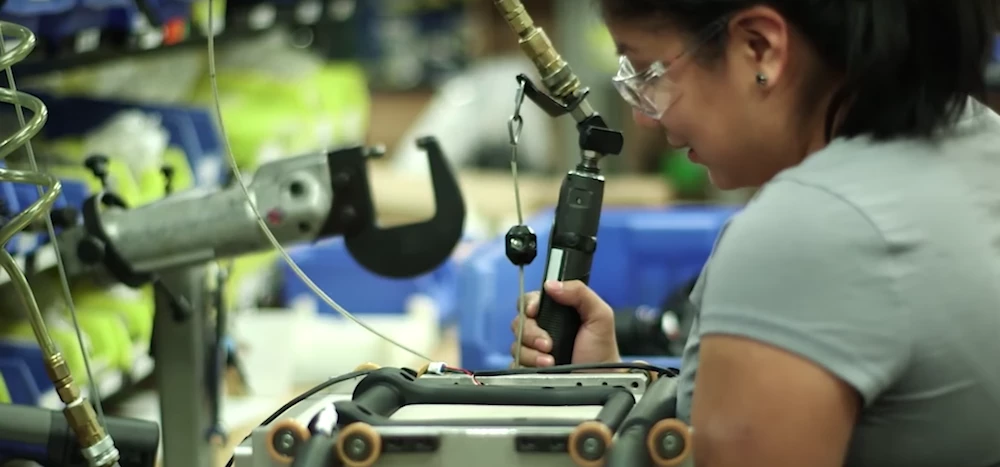
The firm designs and manufactures implants used in joint replacement surgeries and pieces of high-tech surgical equipment, among other devices.
Towers Business Park, owned by property investment firm Kennedy Wilson Europe Real Estate Plc since last year, comprises 10 offices let to 24 businesses.
Kennedy Wilson Europe’s head of UK asset management, Mike Pegler, said: “Stryker’s choice of the Towers illustrates how appealing the quality of offices, as well as the location and connectivity for businesses.
“Towers is currently implementing a health and wellbeing programme of events for tenants, with a focus on building a community and increasing tenant engagement and productivity.”
Advisors Colliers, CBRE and Edwards & Co acted for Kennedy Wilson Europe.
Stryker was represented in the deal by JLL.
Want your business, product or service to be seen regionally and nationally? Bdaily helps you get your story in front of the right audience, every day. Find out how Bdaily can help →
Join more than 55,000 subscribers by signing up to our daily bulletin each morning here.
Our Partners







 The real value of AI is the time it gives back
 Breaking the magnetic pull of London
 AI scepticism is healthy. Inaction isn't.
 What does NPPF mean for site price and planning gain?
 What new NPPF rules mean for landowners
 The hidden cost squeezing Britain's economy
 Teesside deserves more than cashback devolution
 Construction must be built on commercial discipline
 Devolution needs financial firepower to drive growth
 The value of creating a stronger careers route
 Apprenticeships: Invest in talent or keep chasing it
 Are you ready for salary transparency?