
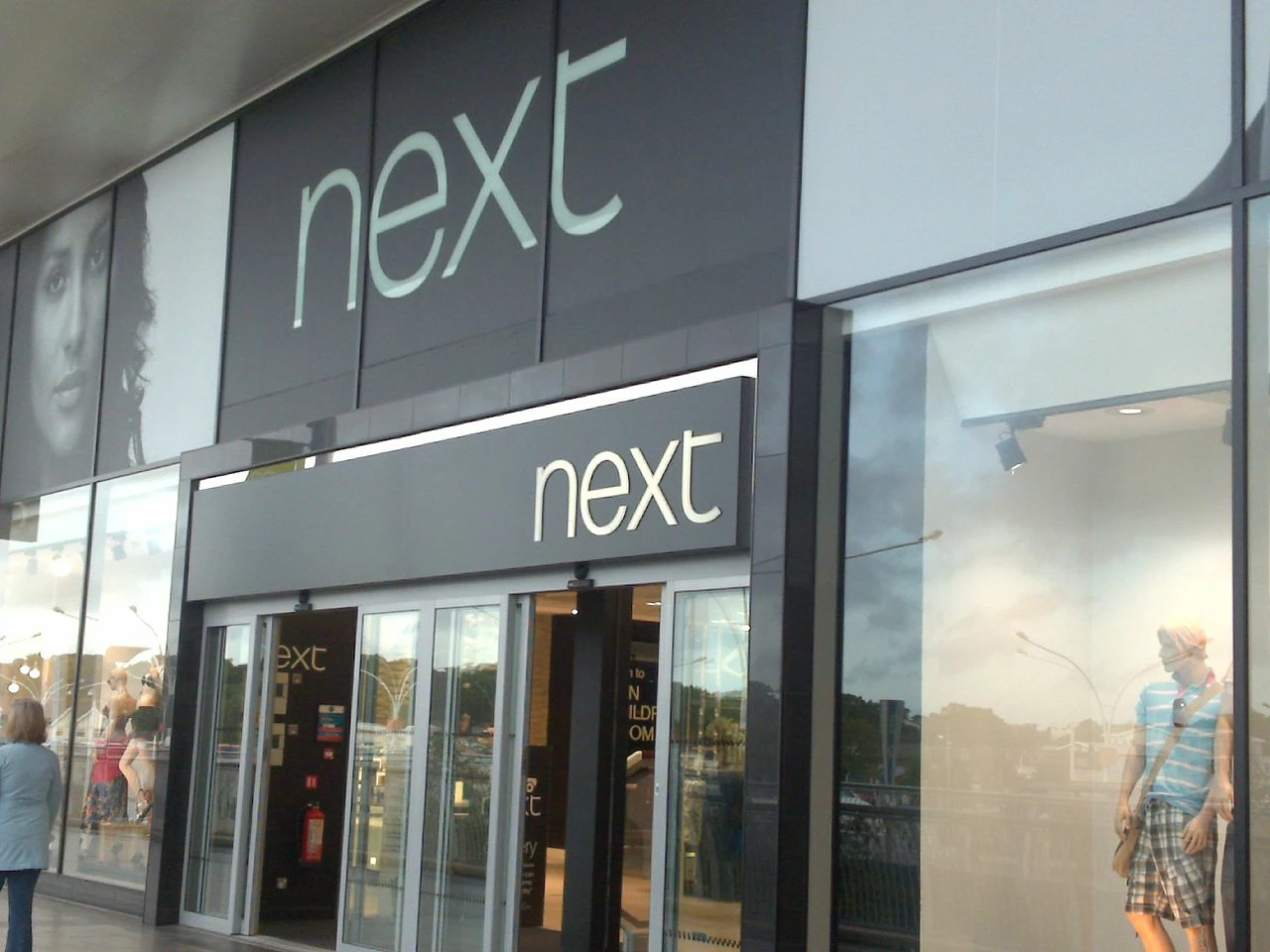
Next beats pre-pandemic figures as pent-up demand boosts sales 20%
A UK fashion retailer has announced that its sales are nearly 20 per cent higher than pre-pandemic levels.
Next, which has around 500 stores across the country, reported that full price sales for the past eleven weeks are up by 18.6 per cent compared to the same period in 2019.
The company had previously predicted that its sales growth would be just three per cent.
As a result, Next is increasing its full year predictions for profit before tax to £750m, £30m higher than previous guidance.
Next commented: “We believe that the following factors have contributed to the unexpectedly strong sales performance.
“Pent-up demand for adult clothing, with many customers having made few summer purchases during the last 18 months.
“The onset of extremely warm weather at the end of May and start of June. Growth significantly slowed once the very warm weather passed.
“Fewer holidays overseas are likely to have increased domestic spending in the UK, and consumer savings have materially increased over the last year.
“In the last eleven weeks, UK sales performance across all Next divisions has improved with the opening of our stores.
“The performance of Label (+64 per cent) and our Overseas Online business (+61 per cent) has remained consistently strong both before and after the opening of our stores.”
Want your business, product or service to be seen regionally and nationally? Bdaily helps you get your story in front of the right audience, every day. Find out how Bdaily can help →
Join more than 55,000 subscribers by signing up to our daily bulletin each morning here.
Enjoy the read? Get Bdaily delivered.
Sign up to receive our popular morning National email for free.
Our Partners




 Making education a lot better for a lot more
 Have we made it harder for young people to succeed?
 Celebrating Nissan's North East success story
 Are you a meat proxy?
 Engaging the five-generation workplace
 Talent is an asset, not an operational resource
 Taking advantage of the opportunities ahead
 Accountability isn’t the enemy of empathy
 Act now to avoid a last-minute tax scramble
 How inner-city living can transform a city by the sea
 Artificial intelligence's value is the time it gives back
 Why we must break the magnetic pull of London